The short answer
Possible refrigerant-leak signs include reduced cooling, long runtime, ice, hissing, oily residue, and low-charge measurements, but those symptoms have other causes. Turn cooling off if the coil is frozen or equipment is being damaged. Use an EPA Section 608-certified technician to locate the leak, explain repairability, repair and test the circuit, evacuate it, and restore the specified charge.
Refrigerant does not wear out or get consumed during normal operation. If a system is genuinely low, it was undercharged or refrigerant escaped.
Possible signs, not proof
- Cooling capacity has fallen.
- The system runs much longer than before.
- Ice forms on the suction line or indoor coil.
- A hissing or bubbling sound appears near tubing or coils.
- Oily residue appears around a joint or component.
- Technician readings indicate low charge under valid test conditions.
Restricted airflow, a dirty filter, failed blower, metering problem, sensor issue, or dirty coil can resemble low charge. Diagnosis should check airflow and operating conditions before condemning the refrigerant circuit.
Safety first
Do not cut lines, tighten refrigerant fittings, inject sealant, or buy refrigerant for DIY use. EPA Section 608 rules require certified technicians for service that can release regulated or substitute refrigerants.
If the coil is frozen, turn cooling off and allow it to thaw. Continued operation can damage the compressor or create water overflow. Use only fan operation if a qualified professional says it is safe.
For a major sudden release in an enclosed area, leave the area and contact emergency or professional help. Refrigerants can displace oxygen, and some newer refrigerants have A2L mildly flammable classifications that require equipment-specific procedures.
What a real leak diagnosis includes
The appropriate method depends on leak size and access. A technician may use visual oil evidence, electronic detection, soap solution, isolation, standing-pressure testing with approved gas, or other manufacturer-approved procedures.
Ask the service company to document:
- Why low charge is suspected.
- Airflow and coil condition.
- Leak location or diagnostic status.
- Repair method and part involved.
- Pressure or leak verification after repair.
- Evacuation and charging procedure.
- Refrigerant type and amount added.
- Parts, labor, and refrigerant warranty.
Recharge, repair, or replace?
A one-time recharge without locating a very small leak may restore cooling temporarily, but it does not repair the system. Repeated topping off creates recurring cost and uncertainty.
Repair is stronger when the leak is accessible, the system is otherwise reliable, the refrigerant and parts are available, and repair cost is reasonable. Replacement becomes easier to justify with an inaccessible coil leak, compressor damage, repeated sealed-system failures, poor comfort, obsolete equipment, or repair cost that approaches a complete correctly designed replacement.
Use our repair-versus-replace framework and compare the replacement's full installed scope.
Refrigerant type matters
Read the outdoor nameplate. R-22, R-410A, R-454B, R-32, and other refrigerants are not interchangeable. EPA advises homeowners to use the nameplate, manual, manufacturer, or service company to identify refrigerant.
Do not approve a “conversion” unless the equipment manufacturer provides a specific compatible procedure and the complete system remains approved.
Leak sealants
Ask whether a proposed sealant is approved by the equipment manufacturer and what it does to warranty, recovery equipment, future service, and diagnostics. A sealant is not equivalent to locating and repairing a failed joint or coil.
Buyer verdict
Pay for diagnosis, not a pressure-gauge story. Confirm airflow, locate or characterize the leak, understand the repair and warranty, and compare that result with a complete replacement, not an outdoor-unit-only price.
Frequently Asked Questions
Is leaking AC refrigerant dangerous?
Risk depends on refrigerant, concentration, space, ignition sources, and exposure. Avoid contact and do not investigate a significant release yourself. Leave an enclosed affected area and use qualified help.
How much does refrigerant leak repair cost?
The leak location, access, refrigerant, part, recovery, testing, evacuation, charge, and warranty determine cost. A recharge price alone is not a repair quote.
Can I run AC when it is low on refrigerant?
Continued operation can reduce cooling, freeze the coil, and stress the compressor. Turn cooling off if ice or abnormal operation appears and arrange service.
Sources
How this guide is checked
Written by Air Conditioner Guide Editorial Team. Editorial review by Air Conditioner Guide Editorial Team, last reviewed July 12, 2026. We check the sizing logic, quote-scope claims, and sources. No affiliate ranking bias.
Have a proposal?
Check the quote before you sign.
We'll look at the model match, capacity basis, install scope, warranty, and missing questions. Free, independent, no lead auction.
Check my quoteRelated guides
AC Short Cycling: Causes and Safe Checks
Learn why an AC turns on and off repeatedly, which checks are safe, when to stop cooling, and what measurements a technician should make.
Read the guide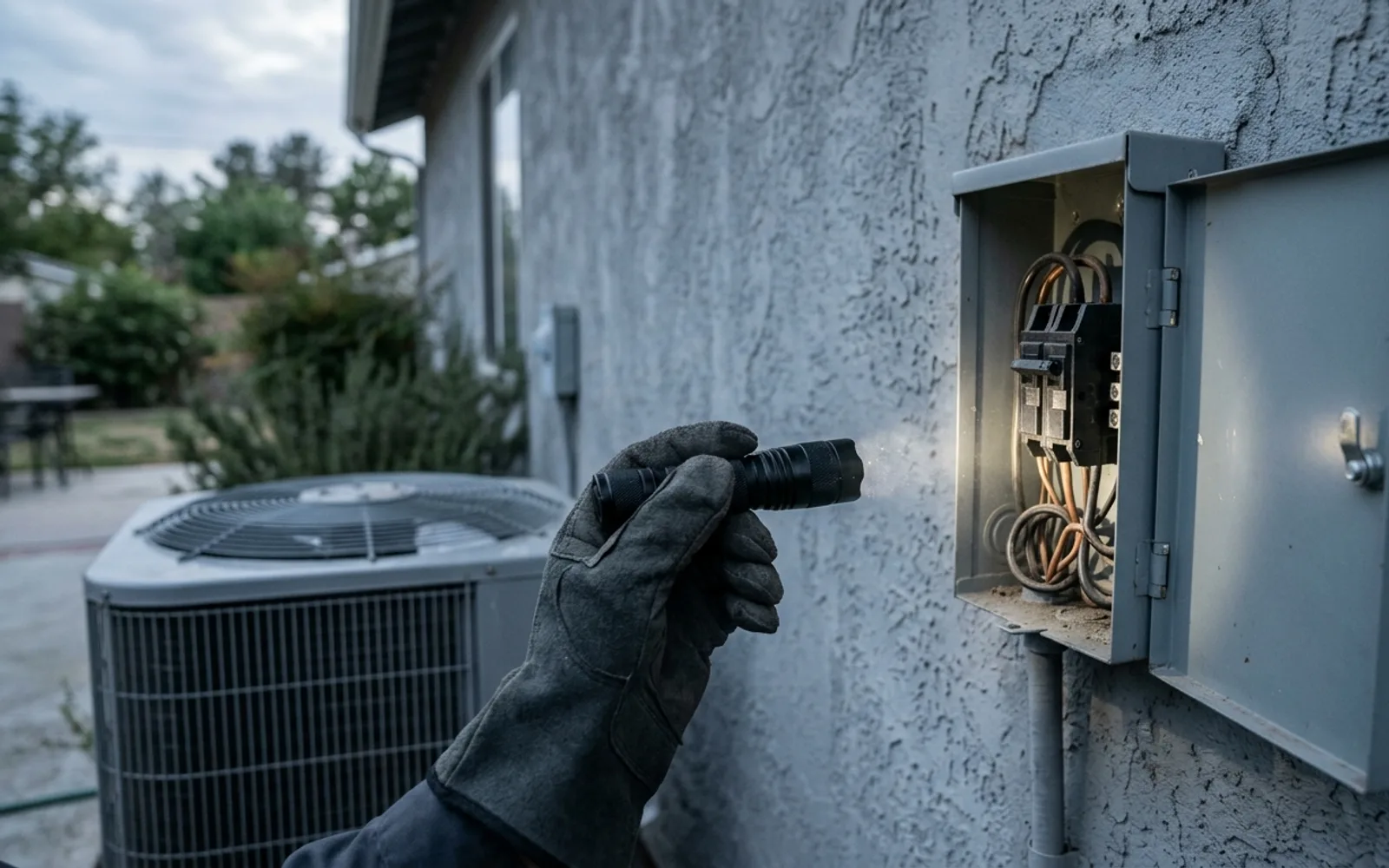
AC Electrical Safety: What Your Quote Should Cover
Understand the disconnect, breaker, and GFCI requirements a central AC replacement quote should include, and why the 2026 code deadline matters now.
Read the guide
Air Conditioner Maintenance Checklist
A central AC maintenance checklist separating safe homeowner work from technician checks for airflow, electrical, refrigerant, drains, and controls.
Read the guide