The independent AC buying guide
We don't sell air conditioners.We save you from the wrong quote.
The outdoor unit is only part of the price. We help you compare capacity, ducts, refrigerant, installation scope, efficiency, and warranty before you sign.
Free second opinion. No lead auction. No contractor sales call.
Start with scope, not logos
A $9,000 quote and a $14,000 quote may not be the same job.
The difference may be duct repair, a matched indoor coil, electrical work, a permit, controls, refrigerant piping, or a real startup procedure. We make those differences visible.
Start with the number
What central AC actually costs installed
Separate equipment from labor, ducts, electrical, drains, permits, controls, and commissioning so two quotes become comparable.
Read the guide →02Use the worksheet
Compare two AC quotes line by line
Model numbers, matched equipment, refrigerant, scope, warranty, and the questions that turn a vague proposal into a real specification.
Read the guide →03Size it properly
Why tonnage is not a square-footage guess
Learn what a Manual J load calculation checks and why a bigger system can make humidity and comfort worse.
Read the guide →Brand directory
Compare the system behind the badge.
Real installation questions, service considerations, and matched-system details for nine major brands.


Carrier
Broad dealer access and a deep product ladder
Read the brand guide →

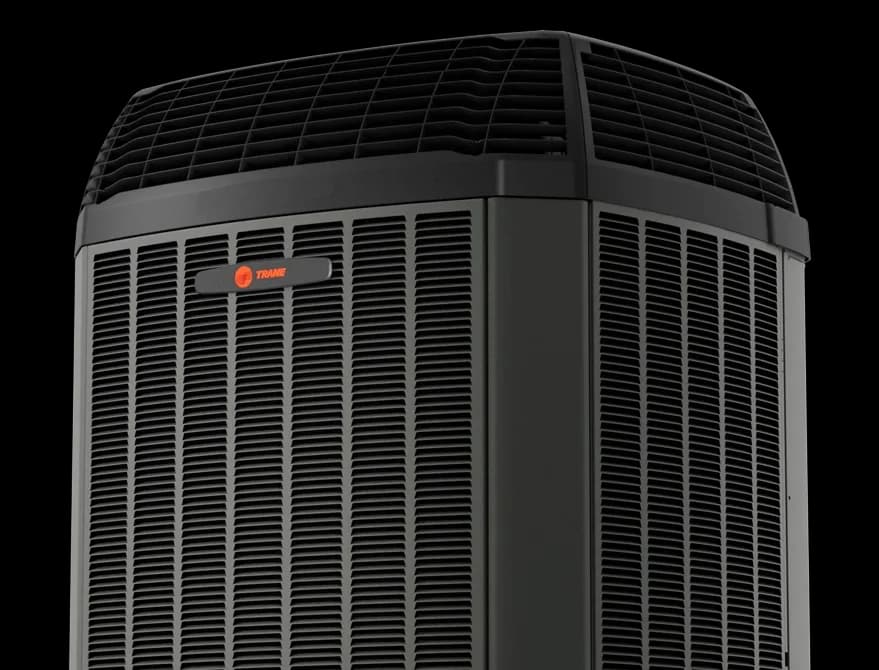
Trane
Buyers prioritizing dealer support and durable conventional systems
Read the brand guide →
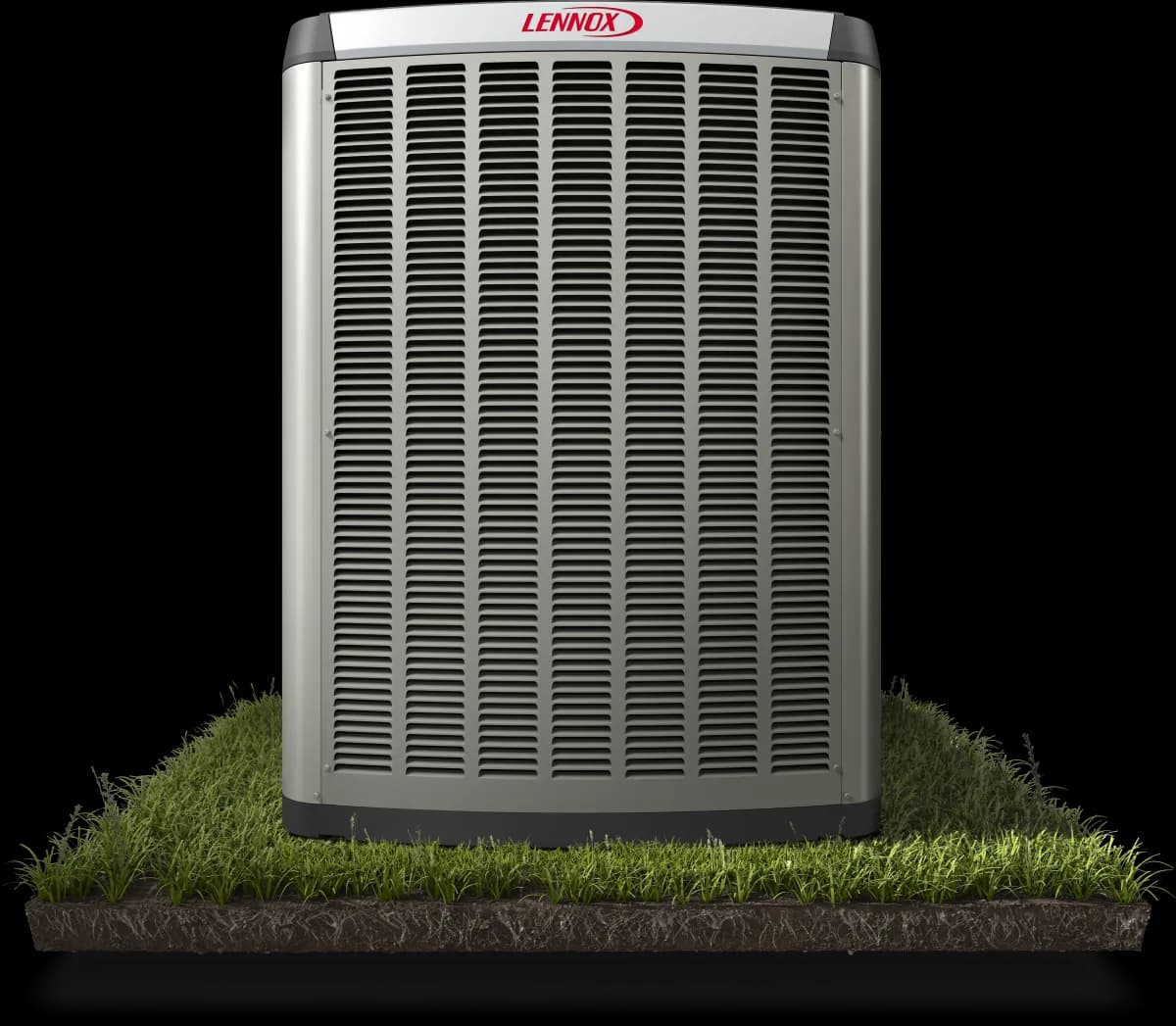
Lennox
High-efficiency and variable-capacity shortlists
Read the brand guide →
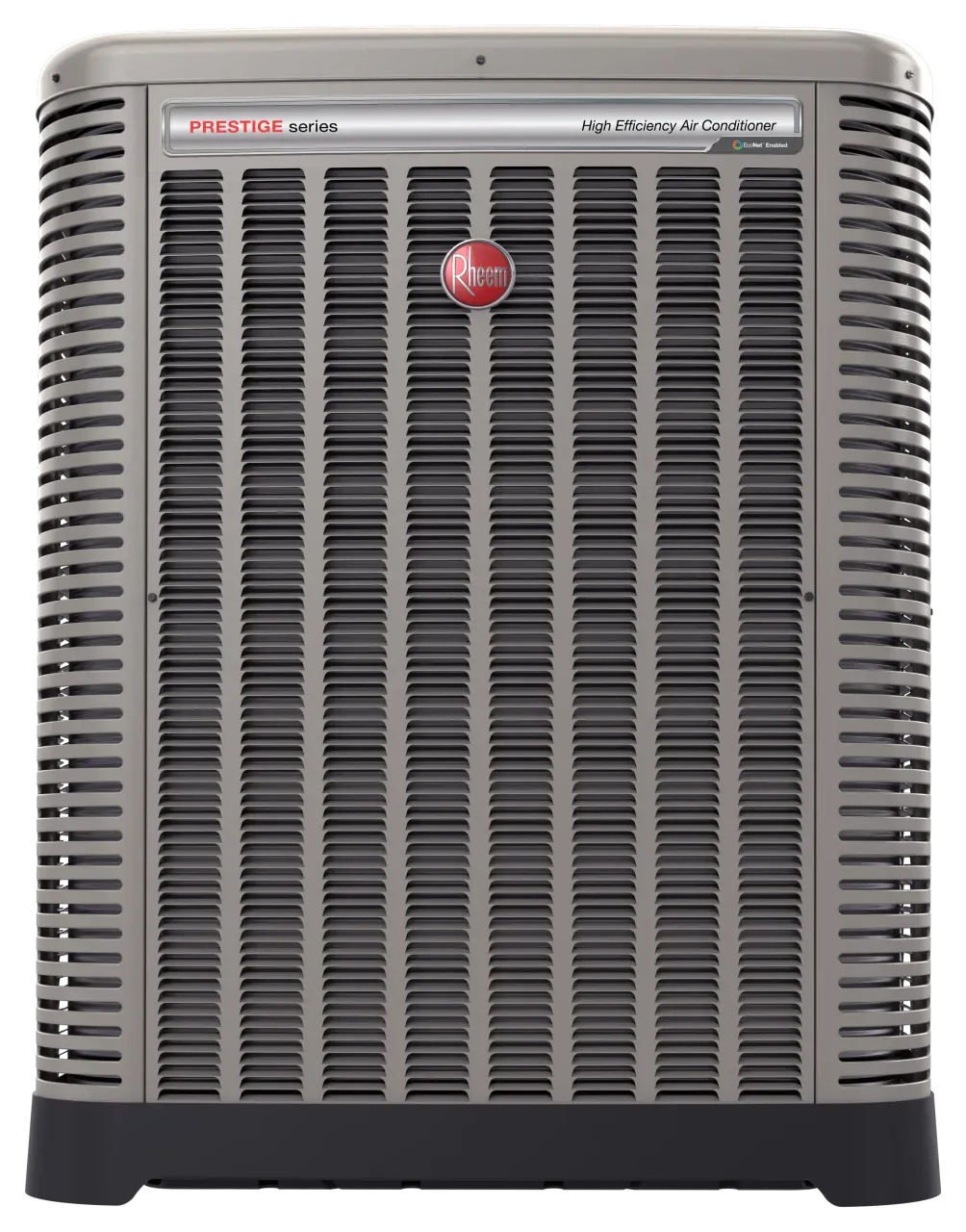
Rheem
Balanced equipment value with local distributor support
Read the brand guide →The rule that prevents bad installs
Sizing first. Brand second.
A premium condenser cannot rescue a guessed load, restricted return air, or an indoor coil that does not match. The installed system is the product.
ENERGY STAR's quality-installation guidance emphasizes proper sizing, airflow, and refrigerant charge. ACCA's Manual J is the residential load-calculation method contractors use to turn the house, climate, windows, insulation, leakage, and occupancy into a design load.
A better shortlist
- 1.The contractor shows the load and airflow assumptions.
- 2.Both equipment model numbers appear in writing.
- 3.Duct, drain, electrical, line-set, permit, and removal scope is explicit.
- 4.Startup readings and warranty responsibilities are documented.
- 5.Only then do efficiency features and brand break the tie.
Already have a proposal?
Send the quote before you sign it.
We look for missing model numbers, unsupported tonnage, vague duct scope, refrigerant mismatches, warranty gaps, and work that appears twice. If the quote is solid, we will say that too.
Free. No sales pitch. Personal reply in about two business days.
Before you buy

Air conditioner questions, answered straight.
- How much does a new central air conditioner cost installed?
- A straightforward central AC replacement often lands in the mid four figures, while larger, high-efficiency, duct-heavy, or combined furnace-and-AC projects can reach five figures. The useful number is the installed scope, not the outdoor-unit price. Compare the indoor coil or air handler, electrical work, permits, line-set work, duct repairs, controls, warranty, and startup testing line by line.
- Is a bigger air conditioner better?
- No. An oversized air conditioner can cool the thermostat quickly but run too briefly to control humidity well. Capacity should be based on a room-by-room Manual J load calculation, not square footage alone or the size of the old unit.
- What should be included in an AC replacement quote?
- A useful quote names the outdoor and indoor model numbers, capacity, SEER2, refrigerant, AHRI matched-system reference when available, duct and line-set scope, electrical and drain work, permit, thermostat or controls, labor and parts warranties, and the startup or commissioning checks the contractor will record.
- Should I repair or replace my air conditioner?
- Repair is usually the better first move when the system is otherwise reliable, the failure is isolated, and the repair does not expose a larger parts or refrigerant problem. Replacement becomes easier to justify when failures repeat, comfort is poor, the equipment is near the end of its service life, or the repair is a large share of a properly scoped replacement.
- Does a higher SEER2 rating always save money?
- A higher SEER2 rating means better tested seasonal efficiency, but it does not guarantee a specific bill reduction. Climate, electricity rates, runtime, sizing, duct leakage, installation quality, and the old system determine the real savings. Price the efficiency upgrade against your own conditions.
- Is R-410A air conditioning obsolete?
- R-410A systems already installed can still be serviced, but newly manufactured residential equipment is moving to lower-global-warming-potential refrigerants such as R-454B and R-32 under US rules. Ask which refrigerant the quote uses, whether the indoor and outdoor equipment are a certified match, and how the contractor is trained for that system.