The short answer
Homeowners should keep filters, registers, outdoor clearances, drains, and controls observable and clean within manufacturer guidance. A qualified technician should handle electrical testing, refrigerant diagnostics, internal coil and blower service, combustion-adjacent checks, and manufacturer commissioning procedures. Maintenance should produce findings and measurements, not only a generic “tune-up” label.
Good maintenance protects airflow, heat transfer, drainage, controls, and electrical connections. It cannot reverse normal wear or guarantee that a component will not fail.
Safe homeowner checklist
Monthly during heavy use
- Check the filter and replace when loaded.
- Confirm supply and return registers are open and unobstructed.
- Look for water near the indoor unit or condensate pump.
- Note unusual noise, odor, cycling, or control alerts.
- Record indoor temperature and humidity if comfort changes.
Seasonally
- Turn power off as instructed before basic exterior cleaning.
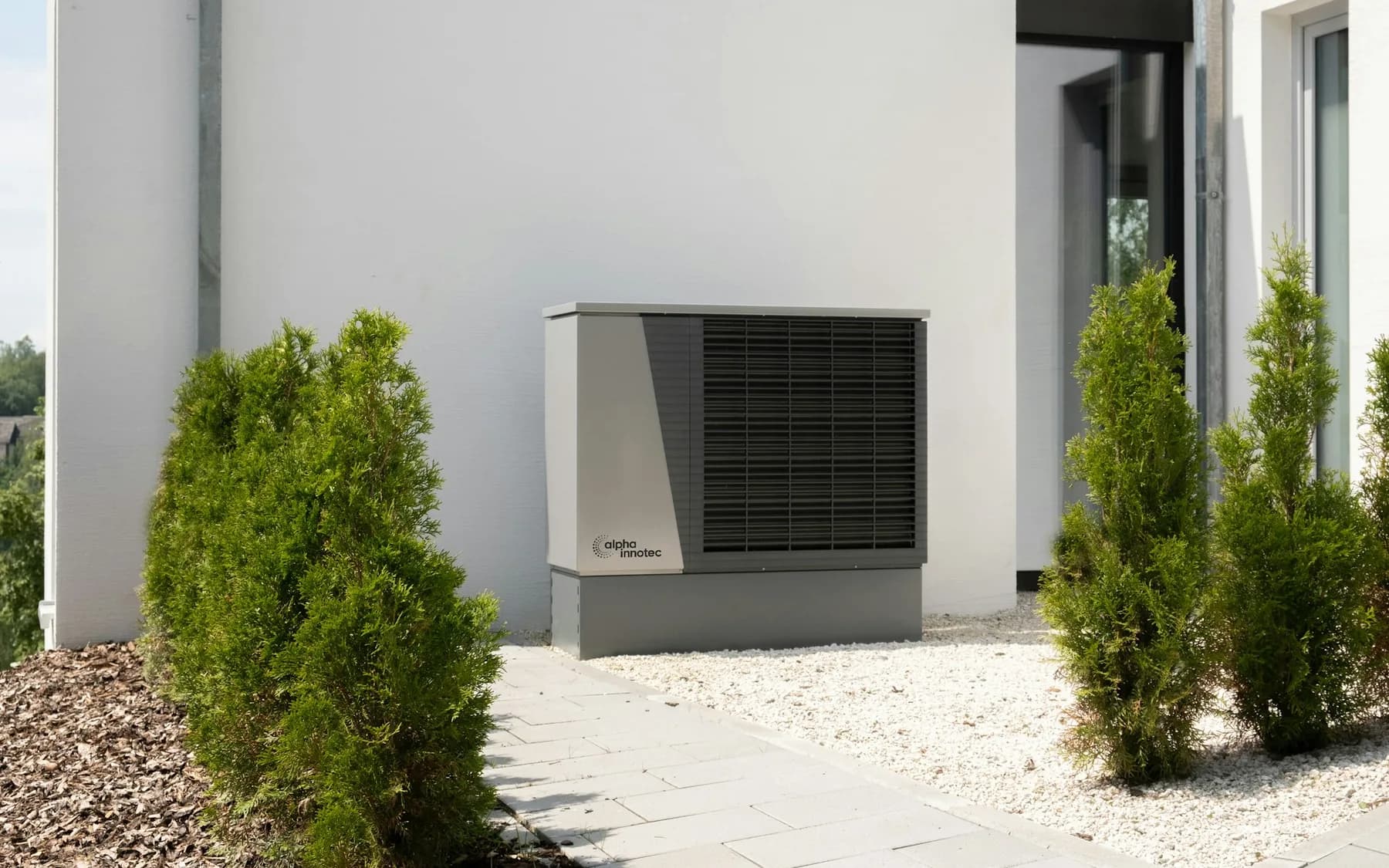
- Remove leaves, lint, and vegetation around the outdoor unit without bending fins.
- Maintain manufacturer-required clearances.
- Check visible insulation on refrigerant tubing.
- Pour or clean drains only using the equipment and contractor-approved procedure.
- Test thermostat schedules and replace control batteries if applicable.
- Confirm the outdoor unit remains level and supported.
Do not open electrical panels, add refrigerant, use aggressive coil chemicals, or pressure-wash the condenser.
Technician checklist
A professional visit should be tailored to the system, but useful checks include:
| Area | Examples of documented work |
|---|---|
| Airflow | Filter, blower, coil cleanliness, static pressure, airflow setup |
| Refrigerant circuit | Operating data and charge assessment under valid conditions |
| Electrical | Disconnect, conductors, contactor, capacitors, current, voltage, grounding |
| Heat transfer | Indoor and outdoor coil condition; temperature data |
| Condensate | Pan, trap, drain, pump, overflow devices, termination |
| Controls | Thermostat, staging, sensors, zoning, fault history |
| Ducts | Visible leakage, damage, insulation, return restrictions |
| Safety | Manufacturer-required and combustion-adjacent checks |
EPA requires Section 608 certification for service that can open the refrigerant circuit.
What maintenance cannot prove
A snapshot on a mild day may not allow full charge verification. A technician should state test conditions and limitations rather than force refrigerant adjustment from incomplete data.
Likewise, a temperature split alone does not diagnose charge. Airflow, indoor conditions, equipment stage, and manufacturer procedures matter.
How often should professional service occur?
Follow manufacturer warranty requirements and local operating conditions. Annual pre-cooling inspection is a practical baseline for many central systems; heavy runtime, coastal exposure, cottonwood, construction dust, rental use, or known drain problems can justify more attention.
Check whether an extended labor or unit-replacement warranty requires documented maintenance.
Build a system record
Keep model and serial numbers, installation date, AHRI certificate, warranty confirmation, filter information, maintenance invoices, readings, repair history, and refrigerant additions. Trends are more useful than isolated “all good” stickers.
If refrigerant is added, ask where the leak is suspected and what diagnostic or repair plan follows. Refrigerant is not consumed like fuel.
When to call immediately
- Breaker trips or electrical odor.
- Water overflow or failed drain safety.
- Ice on tubing or coil.
- Grinding, severe vibration, or metal noise.
- Outdoor fan or compressor fails to start.
- Suspected refrigerant leak.
- Combustion or carbon-monoxide concern near shared furnace equipment.
Turn the system off when continued operation could cause damage and follow emergency guidance from qualified professionals.
Buyer verdict
Buy maintenance that produces specific observations and measurements. The strongest plan protects airflow, drainage, electrical reliability, coil condition, and warranty records without selling automatic refrigerant additions.
Frequently Asked Questions
Can I clean the outdoor AC coil myself?
You can safely remove loose exterior debris with power off if the manual permits it. Deep cleaning, panel removal, chemicals, bent fins, and electrical access belong to a technician.
Does AC need refrigerant every year?
No. A sealed system does not consume refrigerant. A low charge suggests a leak, installation issue, or previous incorrect charge.
Is an annual tune-up required for warranty?
Requirements vary. Read the exact certificate and extended-coverage terms, then keep dated service records.
Sources
How this guide is checked
Written by Air Conditioner Guide Editorial Team. Editorial review by Air Conditioner Guide Editorial Team, last reviewed July 12, 2026. We check the sizing logic, quote-scope claims, and sources. No affiliate ranking bias.
Have a proposal?
Check the quote before you sign.
We'll look at the model match, capacity basis, install scope, warranty, and missing questions. Free, independent, no lead auction.
Check my quoteRelated guides
How Often Should You Change an AC Filter?
Choose an AC filter-change interval using filter size, runtime, pets, smoke, remodeling, return design, pressure drop, and manufacturer guidance.
Read the guide
AC Condensate Drain: Clogs, Traps, and Water Damage
Understand central AC condensate drains, pans, traps, pumps, overflow switches, clog symptoms, safe homeowner checks, and replacement-quote scope.
Read the guide
AC Electrical Safety: What Your Quote Should Cover
Understand the disconnect, breaker, and GFCI requirements a central AC replacement quote should include, and why the 2026 code deadline matters now.
Read the guide