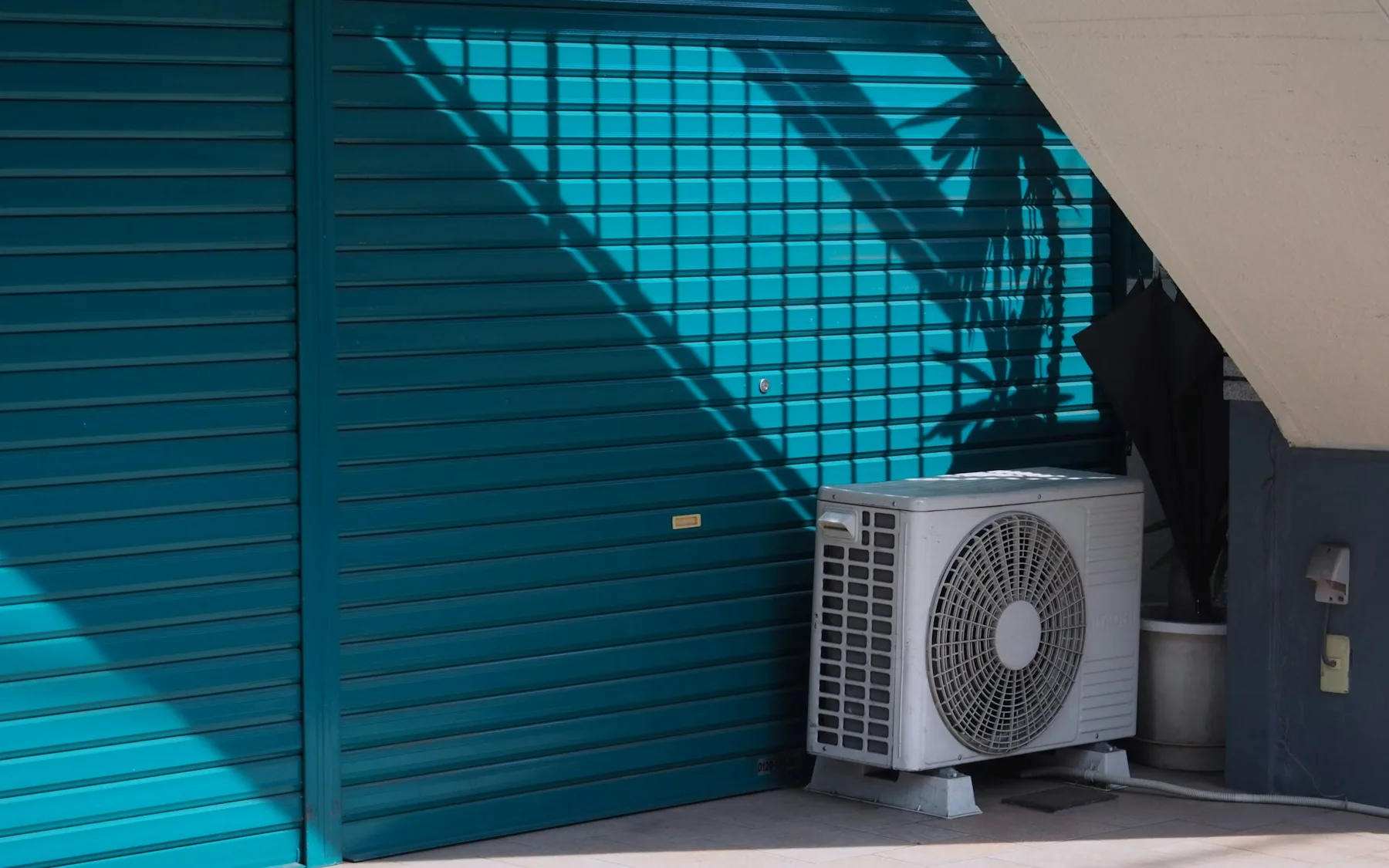
The short answer
A central air conditioner often serves roughly 15 to 20 years, but age is not a replacement diagnosis. Climate, annual runtime, installation, airflow, refrigerant charge, electrical conditions, corrosion, maintenance, and repair history can shorten or extend useful life. Replace when condition, comfort, serviceability, and repair economics point the same way.
DOE's Home Cooling 101 material uses 15 to 20 years as an orientation range for central air conditioning. That is a planning range, not an expiration date.
What changes AC lifespan
| Factor | Why it matters |
|---|---|
| Cooling hours | Long hot seasons accumulate more compressor and fan runtime |
| Installation quality | Charge, airflow, duct design, drainage, and electrical setup affect stress |
| Coastal/corrosive exposure | Coils and cabinets can deteriorate faster |
| Sizing | Oversizing increases cycling; undersizing can run continuously under extreme load |
| Maintenance | Filters, coils, drains, and electrical findings affect operation |
| Power quality | Surges and voltage issues stress controls and motors |
| Repair history | Repeated failures reveal declining system reliability |
| Parts/refrigerant | Availability affects repair practicality, not just technical repairability |
Brand is only one variable.
Signs the system still has useful life
- It meets temperature and humidity needs.
- Failures are isolated rather than recurring.
- Coils and cabinet are in reasonable condition.
- Refrigerant circuit remains tight.
- Parts and qualified service are available.
- Energy use has not changed abnormally.
- A repair is small relative to a complete replacement.
An older system that satisfies those conditions can be maintained while you plan a non-emergency replacement.
Signs replacement planning is reasonable
- Major compressor or coil failure.
- Repeated refrigerant leaks.
- Multiple expensive repairs in a short period.
- Severe corrosion.
- Persistent humidity or room-balance problems tied to design.
- Unavailable controls or proprietary parts.
- Repair cost is a substantial share of a properly scoped replacement.
- The furnace, indoor coil, ducts, or electrical system also need coordinated work.
Efficiency alone is rarely enough. Calculate realistic cooling savings using local runtime and rates, not a percentage of the entire utility bill.
The emergency-replacement penalty
Waiting until complete failure during peak weather can reduce contractor choice, equipment availability, and time for Manual J, duct assessment, and quote comparison. Planning does not require replacing immediately.
Before the system enters its highest-risk years:
- Record model, serial, refrigerant, and service history.
- Identify two qualified local contractors.
- Understand panel, furnace, duct, and access constraints.
- Set a repair authorization threshold.
- Build a replacement scope and budget.
Repair-cost rules are not universal
Rules such as “age times repair cost” ignore system condition, climate, replacement scope, household finances, and failure type. Compare:
- repair cost and warranty;
- probability and cost of near-term failures;
- comfort and safety issues;
- realistic operating savings;
- complete replacement cost;
- value of choosing on your schedule.
Our repair-versus-replace guide provides the full framework.
Extending useful life safely
Maintain filters and clearances, address drainage, protect airflow, correct electrical problems, and repair refrigerant leaks rather than repeatedly charging. Do not use maintenance to postpone a known safety issue or severe equipment damage.
Buyer verdict
Age starts the conversation; condition finishes it. Maintain a reliable older system, plan before peak-season failure, and replace when major repair risk, comfort, serviceability, and economics align.
Frequently Asked Questions
Should I replace a 15-year-old AC that still works?
Not automatically. Review condition, repair history, comfort, refrigerant, parts, and energy use, then prepare a replacement plan so failure does not force a rushed decision.
Does a new AC last longer than an old one?
No universal guarantee exists. Modern systems may add controls and electronics while improving efficiency and comfort. Installation and operating conditions remain decisive.
Can maintenance make an AC last 30 years?
Some systems operate that long, but it should not be promised. Maintenance reduces avoidable stress and catches problems; it cannot prevent all material and component aging.
Sources
How this guide is checked
Written by Air Conditioner Guide Editorial Team. Editorial review by Air Conditioner Guide Editorial Team, last reviewed July 12, 2026. We check the sizing logic, quote-scope claims, and sources. No affiliate ranking bias.
Have a proposal?
Check the quote before you sign.
We'll look at the model match, capacity basis, install scope, warranty, and missing questions. Free, independent, no lead auction.
Check my quoteRelated guides
Repair or Replace a 12-Year-Old Central AC?
Repair or replace a 12-year-old AC: 2026 repair costs by component, a repair-share-of-replacement threshold, a worked example, and dated R-410A guidance.
Read the guide
AC Condensate Drain: Clogs, Traps, and Water Damage
Understand central AC condensate drains, pans, traps, pumps, overflow switches, clog symptoms, safe homeowner checks, and replacement-quote scope.
Read the guide
AC Short Cycling: Causes and Safe Checks
Learn why an AC turns on and off repeatedly, which checks are safe, when to stop cooling, and what measurements a technician should make.
Read the guide