The short answer
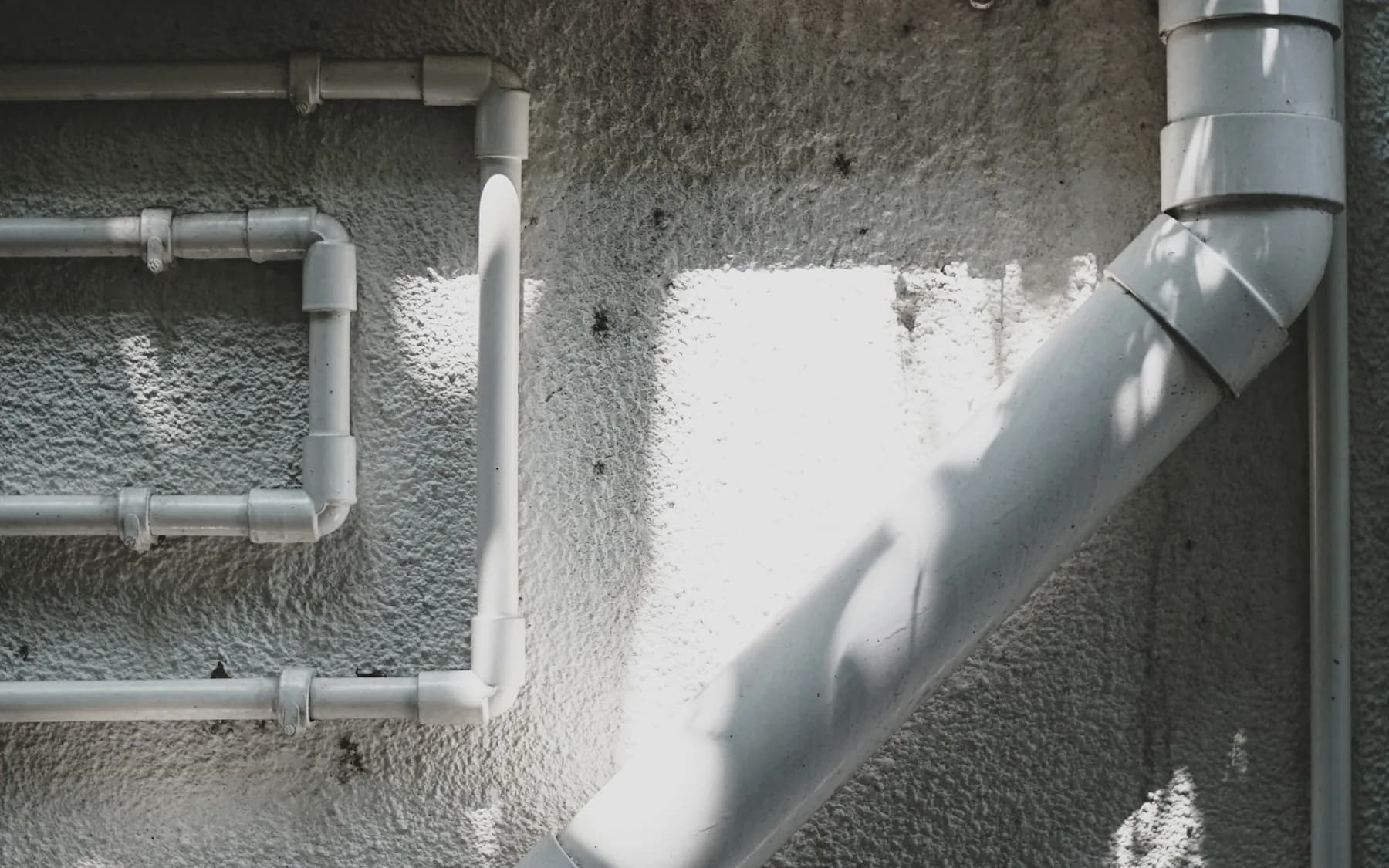
The indoor AC coil removes moisture that must flow through a sloped, trapped drain or a condensate pump. A clog, missing or dry trap, poor slope, cracked pan, failed pump, or dirty coil can cause shutdowns and water damage. A good installation provides accessible cleaning, an approved trap and vent arrangement, and secondary drainage or an overflow safety switch where required.
Condensate is normal. Water on the floor, in the furnace, or through a ceiling is not. On humid days a central system can remove substantial water, so drainage is part of the cooling design, not a minor accessory.
How the drain system works
- Moisture condenses on the cold indoor coil.
- Water falls into the primary drain pan.
- A properly configured trap allows drainage despite blower pressure.
- The line slopes to an approved termination or pump.
- Secondary drainage, a pan, or a float switch protects against overflow.
The required arrangement depends on equipment pressure, location, manufacturer instructions, and local code.
Common failure symptoms
- Water near the air handler or furnace.
- Ceiling or wall staining below attic equipment.
- AC stops and thermostat appears normal.
- Float-switch or drain alarm.
- Condensate pump runs continuously or not at all.
- Musty odor or visible pan buildup.
- Gurgling or air pulled through the drain.
Turn the system off when water could reach electrical parts or finishes. Do not bypass a float switch to restore cooling.
Why traps and vents matter
The blower can create negative or positive pressure at the drain connection. Without the manufacturer-specified trap, air movement can prevent water from leaving the pan. Incorrect vent placement can also defeat the trap.
This is why copying a sink-drain arrangement from memory is not enough. Follow the air-handler or coil installation manual and local plumbing/mechanical requirements.
Safe homeowner checks
- Confirm the filter is not severely loaded.
- Look for obvious water and shut down if needed.
- Check whether the condensate pump has power and an alarm, without opening it live.
- Inspect the outdoor termination for obstruction if safely accessible.
- Use only the cleaning procedure approved by the manufacturer or service company.
Avoid compressed air that can separate concealed joints, harsh chemicals that damage materials, and wet work around energized equipment.
What a technician should inspect
| Component | Failure to rule out |
|---|---|
| Coil and airflow | Ice, dirt, low airflow, excessive carryover |
| Primary pan | Crack, corrosion, poor slope, contamination |
| Trap and vent | Incorrect geometry, dry trap, blockage |
| Drain line | Clog, sag, failed joint, poor termination |
| Pump | Power, float, check valve, discharge blockage |
| Secondary protection | Missing, bypassed, or failed switch/pan/drain |
A clogged drain may be a symptom of coil contamination, missing filtration, poor access, or recurring trap problems. Ask why it clogged.
Condensate scope in a new AC quote
Specify primary drain material and route, trap, vent, cleanout, pump if needed, secondary drain or overflow device, auxiliary pan, termination, insulation where condensation can form, and functional testing.
If equipment sits above finished space, water protection deserves explicit language and photographs before access closes.
Moisture and mold
CDC advises that mold growth requires moisture control: remove the mold and fix the moisture source. A recurring drain overflow or wet duct liner should not be treated only with fragrance or surface cleaning.
Buyer verdict
Treat the condensate system as a required safety and durability system. Maintain access, preserve overflow protection, and insist that new-install drainage is tested before handoff.
Frequently Asked Questions
Can I pour vinegar or bleach in an AC drain?
Use only the procedure approved for your equipment, pan, pump, piping, and local discharge. Chemicals can damage components or create unsafe mixtures.
Why does my AC stop when the drain clogs?
An overflow or float switch may intentionally interrupt cooling to prevent water damage. Do not bypass it; clear and diagnose the drainage problem.
Should an attic AC have a secondary pan?
Requirements vary by equipment and local code, but equipment above damageable space commonly needs secondary protection. Verify the approved design with the installer and inspector.
Sources
How this guide is checked
Written by Air Conditioner Guide Editorial Team. Editorial review by Air Conditioner Guide Editorial Team, last reviewed July 12, 2026. We check the sizing logic, quote-scope claims, and sources. No affiliate ranking bias.
Have a proposal?
Check the quote before you sign.
We'll look at the model match, capacity basis, install scope, warranty, and missing questions. Free, independent, no lead auction.
Check my quoteRelated guides

12 Air Conditioner Buying Mistakes to Avoid
Avoid the AC buying mistakes that create oversized equipment, missing scope, unverifiable efficiency, weak warranties, and expensive change orders.
Read the guide
AC Electrical Safety: What Your Quote Should Cover
Understand the disconnect, breaker, and GFCI requirements a central AC replacement quote should include, and why the 2026 code deadline matters now.
Read the guide
Air Conditioner Maintenance Checklist
A central AC maintenance checklist separating safe homeowner work from technician checks for airflow, electrical, refrigerant, drains, and controls.
Read the guide