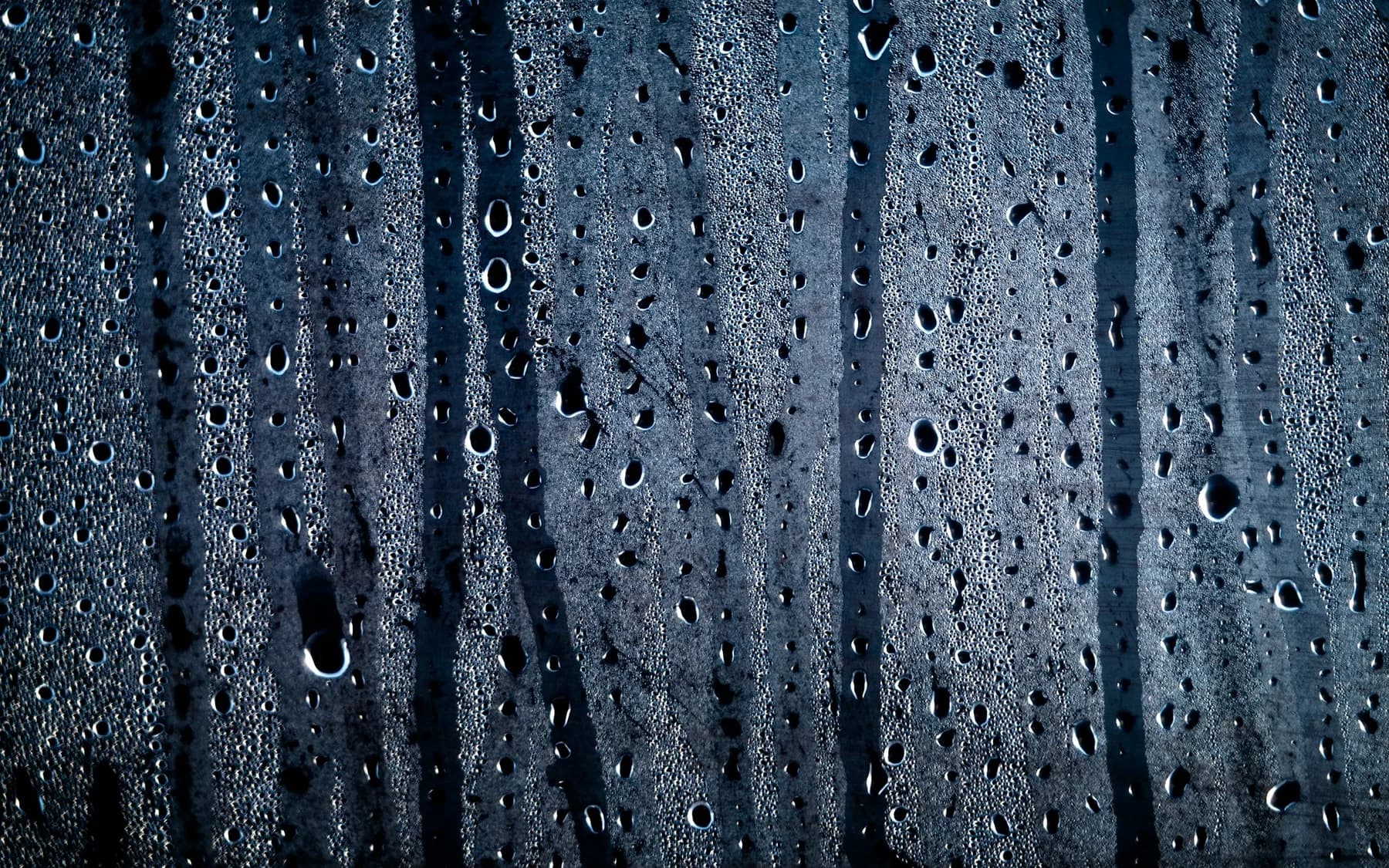
The short answer
An AC can reach temperature without controlling humidity when it is oversized, runs short cycles, has excessive or incorrect airflow, uses an unhelpful fan setting, has charge or coil problems, receives humid air through leaks, or cannot drain condensate. Measure indoor humidity, runtime, airflow, static pressure, charge, and building moisture before lowering the thermostat or replacing equipment.
Start with a reliable hygrometer. CDC recommends keeping indoor humidity no higher than 50% where practical to discourage mold. A brief outdoor-weather spike is different from sustained high humidity with normal cooling operation.
Common causes, in useful order
| Cause | Evidence to look for |
|---|---|
| Oversized equipment | Short cycles on hot days; capacity exceeds Manual J/Manual S selection |
| Fan set to ON | Blower runs after compressor and may re-evaporate coil moisture |
| Airflow setup | Static pressure or blower setting outside manufacturer target |
| Refrigerant/coil issue | Technician measurements show poor coil performance |
| Duct leakage | Return draws humid attic/crawlspace air; supply loses conditioned air |
| Envelope infiltration | Moist outdoor air enters faster than the system removes it |
| Condensate problem | Standing water, overflow, blocked trap, failed pump |
| Low sensible load | Tight efficient home reaches temperature before latent load is removed |
Do not assume the outdoor unit is the only cause.
First checks a homeowner can make
- Set the thermostat fan to AUTO unless the manufacturer's dehumidification sequence says otherwise.
- Install a known-good hygrometer away from kitchens, baths, exterior doors, and supply registers.
- Replace a visibly loaded filter with the correct type and size.
- Confirm supply and return registers are open and unobstructed.
- Look for water, ice, overflow-switch alerts, or a condensate pump failure.
- Record temperature, humidity, outdoor conditions, and cycle duration for several days.
Water, ice, breaker trips, burning odor, or suspected refrigerant issues require service rather than experimentation.
Airflow is not “lower is always better”
Reducing airflow can make the coil colder and sometimes increase latent removal, but too little airflow can freeze the coil and reduce total capacity. The correct setting comes from the equipment data, sensible/latent needs, and measured static pressure.
Ask the technician to document total external static pressure, airflow configuration, filter and coil pressure drop, refrigerant charge method, and supported dehumidification settings.
Oversizing and short cycles
Oversized fixed-capacity equipment can satisfy the thermostat before removing enough water. Confirm the current home load and actual equipment capacity; do not simply replace the old tonnage.
Staged and variable systems can run longer at lower output, but they still have minimum capacities and require proper selection. Read our oversized AC symptoms guide.
Duct and building moisture
Return leaks in a humid attic or crawlspace can pull moisture directly into the system. Supply leakage creates negative pressure that draws outdoor air through the envelope. Bathroom exhaust, kitchen exhaust, open combustion appliances, and unbalanced ventilation can also affect pressure.
ENERGY STAR recommends duct inspection and leakage testing as part of quality installation. Fixing distribution and envelope problems can outperform colder thermostat settings.
When a whole-home dehumidifier makes sense
A dehumidifier is appropriate when the building has a persistent latent load that correctly selected cooling cannot handle without overcooling. Examples include shoulder seasons, very tight homes with ventilation loads, basements, and hot-humid climates.
Size and duct it from a moisture assessment. A dehumidifier adds heat while removing moisture, needs drainage, consumes electricity, and requires filter and coil maintenance.
Buyer verdict
High humidity is a system-and-building problem. Measure first, correct fan and airflow settings, verify charge and drainage, inspect ducts and infiltration, then assess capacity and dedicated dehumidification.
Frequently Asked Questions
What indoor humidity is too high?
CDC advises keeping humidity no higher than 50% where possible. Comfort targets vary, but sustained readings above that deserve investigation, especially with condensation or musty odor.
Will lowering the thermostat remove more humidity?
It may force longer runtime but can overcool the house without fixing the cause. Diagnose sizing, airflow, fan, charge, ducts, infiltration, and drainage.
Does a variable-speed AC always solve humidity?
No. It can improve part-load runtime and control, but poor sizing, ducts, setup, charge, or moisture entry can overwhelm the benefit.
Sources
How this guide is checked
Written by Air Conditioner Guide Editorial Team. Editorial review by Air Conditioner Guide Editorial Team, last reviewed July 12, 2026. We check the sizing logic, quote-scope claims, and sources. No affiliate ranking bias.
Have a proposal?
Check the quote before you sign.
We'll look at the model match, capacity basis, install scope, warranty, and missing questions. Free, independent, no lead auction.
Check my quoteRelated guides
Oversized Air Conditioner: Symptoms and Proof
Learn the signs of an oversized AC, why short cycles and high humidity are not proof by themselves, and what measurements confirm a sizing problem.
Read the guide
AC Short Cycling: Causes and Safe Checks
Learn why an AC turns on and off repeatedly, which checks are safe, when to stop cooling, and what measurements a technician should make.
Read the guide
What Size Air Conditioner Do I Need?
AC size should come from a Manual J load calculation, not square footage alone. Learn what tonnage means and why oversizing hurts comfort.
Read the guide